Research & clinical nutrition
A clinic that contributes to the evidence it practices on
Beginning in early 2027, Coastal Wound Care will run a 30-month study developing an optimal advanced wound recovery protocol. Every eligible patient who consents may take part.
The study
Why we’re running it
The literature on advanced wound modalities has a structural problem: the trials tend to exclude precisely the patients who fill wound clinics. Multiple comorbidities, poor glycemic control, marginal nutrition, limited mobility, previous treatment failure — these are exclusion criteria in research and daily reality in practice.
Our study is designed around that population rather than despite it. The question is not whether a single modality works in isolation, but how modality selection, treatment dosing, nutritional status, offloading, and mobility interact in wounds that have already failed conservative care.
| Item | Detail |
|---|---|
| Focus | An optimal advanced wound recovery protocol for chronic wounds of vascular and pressure origin |
| Opens | Early 2027 |
| Duration | 30 months of enrollment and follow-up |
| Eligibility | Determined at evaluation; all eligible patients are invited |
| Participation | Entirely voluntary, with written informed consent |
| Data captured | Structured wound, functional, nutritional, and outcome measures at every visit |
What participation means for you
- Your care does not change because you enroll — the protocol is the care we would give anyway
- Consent is written, informed, and revocable at any point without affecting your treatment
- Declining has no effect whatsoever on the care you receive or how you are scheduled
- Data is handled under the study’s approved protocol and applicable privacy law
- Findings will be reported in aggregate; you are never individually identifiable in publication
Study design, oversight, and consent documents are subject to institutional review board approval prior to enrollment. Details on this page will be updated as that process completes.
Measurement discipline
Every visit captures the same structured fields — wound dimensions, tissue composition, exudate, periwound status, pain, function, and nutritional markers. That discipline exists for the research, and it makes ordinary care better on its own.
Clinical nutrition
You cannot build tissue out of nothing
Wound healing is an anabolic process with a real material cost. Collagen synthesis needs protein and specific micronutrients; a patient in negative nitrogen balance is being asked to build something out of supplies they do not have. It is one of the most common and most correctable reasons a wound stalls.
Every Coastal Wound Care patient is offered work with a licensed clinical dietitian. Recommendations are driven by laboratory work the dietitian orders and interprets — not a generic protein target applied to everyone in the waiting room.
- Protein and calorie targets set against your measured needs and renal status
- Micronutrient assessment relevant to tissue repair
- Glycemic and hydration strategy coordinated with your medical team
- Practical plans built around what you actually eat and can actually afford
- Repeat laboratory monitoring to confirm the plan is working
Laboratory orders and nutrition care are provided by the licensed dietitian within their own scope of practice, in coordination with your physician.
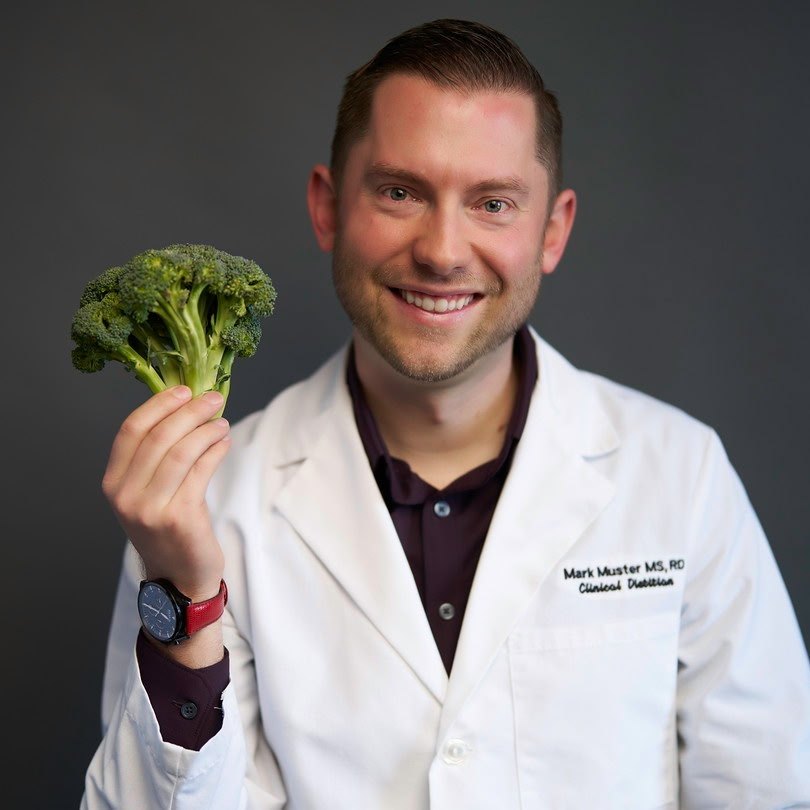
Mark Muster, MS, RD — Clinical Dietitian
Start with a conversation, not a form
Tell us about the wound or the fall, and we’ll tell you honestly whether we’re the right fit — and what your physician needs to send if we are.